


CONSTIPATION
What is Constipation?
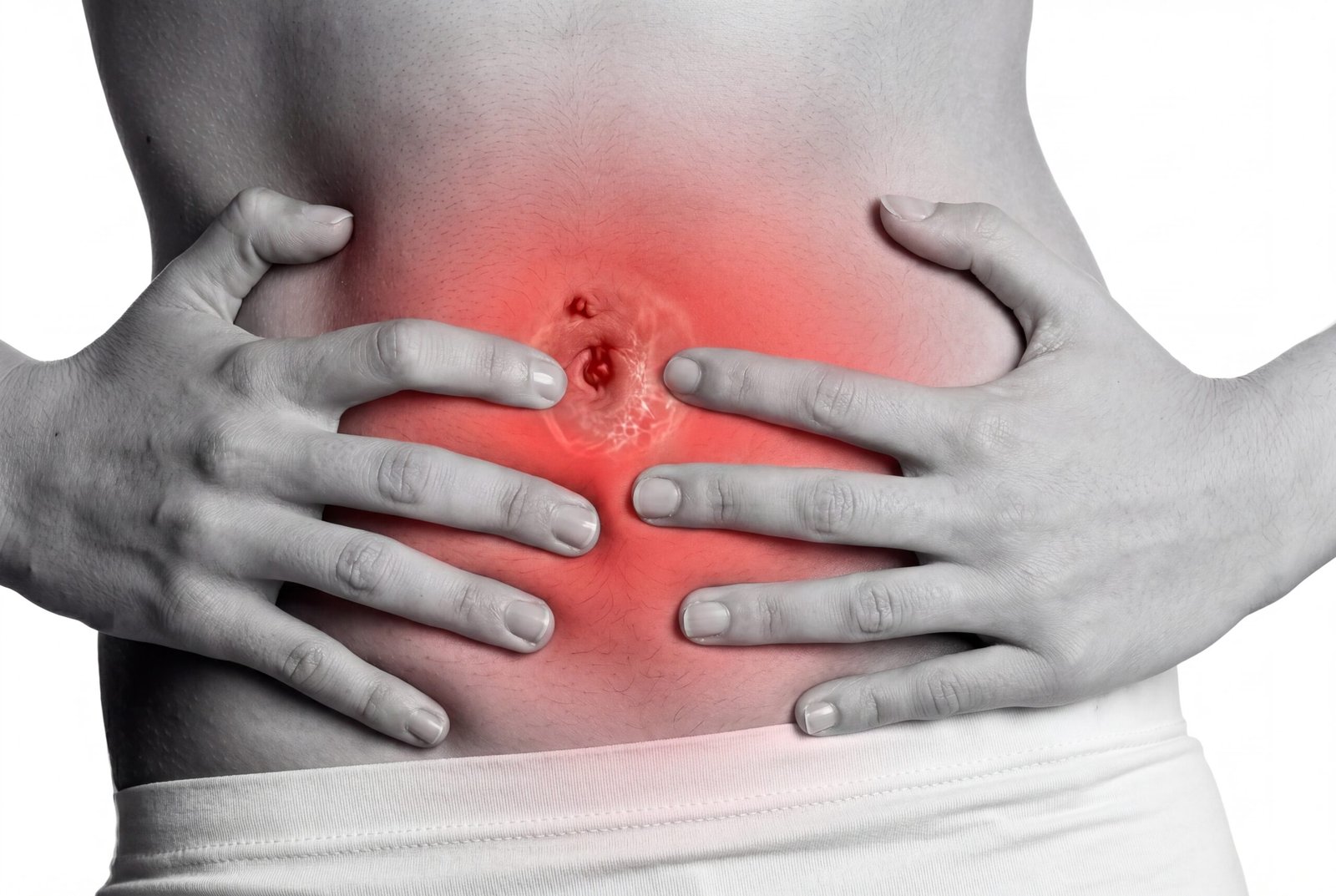
Constipation is a common symptom where a person has difficulty passing faeces or unusually dry stool. In simple language, it is irregular and infrequent or difficult evacuation of the bowels.
Constipation is determined in the colon (large intestine), which is responsible for packaging and eliminating stool. As food moves through, it absorbs water while forming stool.
What is causes?
01. Diet
Low fiber intake (vegetables, fruits, whole grains) and high fats (cheese, eggs, meats).
02. Dehydration
Insufficient liquids like water and juice. Caffeine can have a dehydrating effect.
03. Inactivity
Lack of exercise, often occurring after accidents or during prolonged illness.
04. Medications
Pain meds (narcotics), antacids, antidepressants, iron supplements, and diuretics.
05. IBS (Spastic Colon)
Spasms in the colon that affect movements, often worsening with stress.
06. Routine Changes
Hormonal changes during pregnancy or disruption of daily routines while travelling.
07. Laxative Abuse
Over-reliance can damage nerve cells and interfere with natural colon contractions.
08. Ignoring Urges
Delaying bowel movements due to emotional stress, busyness, or toilet avoidance.
Specific Diseases: Neurological, metabolic, and endocrine disorders can also slow movement.
What is Symptoms?
Difficult Movements
Dry Stools
Painful Evacuation
Abdominal Pain
Nausea & Vomiting
Weight Loss
Feeling Sluggish
Uncomfortable
Liquid Overflow
Abdominal Swelling
Loss of Appetite
Irregular Cycles
Associated Effects
What is treatment?
Most cases can be resolved with dietary changes, regular exercise, and maintaining consistent habits.
Regular Exercise
Engage in daily physical activity like walking or running to stimulate bowel function.
Fibre Intake
Consume at least 18-30g of fibre daily from fresh fruits, vegetables, and cereals.
Hydration
Avoid dehydration by drinking plenty of water every day to keep stools soft.
Physical Posture
Rest feet on a low stool so knees are above hips to facilitate easier passage.
Bulking Agents
Add wheat bran to your diet to make stools softer and easier to pass naturally.
Routine Discipline
Establish a fixed place and time. Respond immediately to your bowel's natural urge.
How to prevention?
Dietary Care
Eat plenty of high-fibre foods and drink water daily. Maintain a low-fat diet to manage weight.
Active Lifestyle
Exercise regularly and avoid sitting on the toilet for long periods (reading/gaming).
Bowel Discipline
Empty your bowels immediately when needed. Avoid medicines containing codeine.