


ANAL
FISTULA
What is Fistula
An anal fistula is a small channel that can develop between the end of the bowel and the skin near the anus. The end of the fistula can appear as a hole in the skin around the anus.
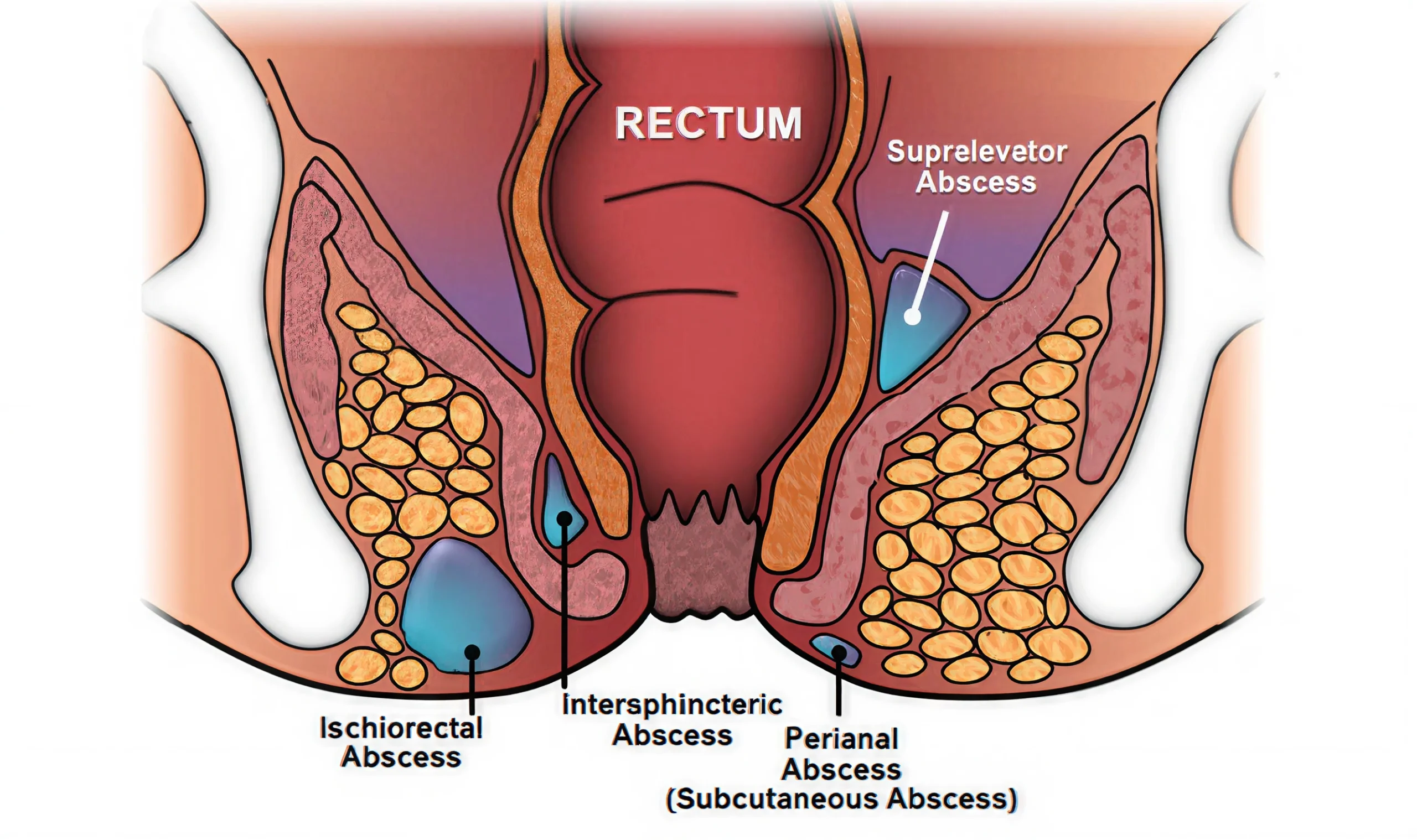
There are various type of fistulas in our body but we have to discuss anal related fistula. It usually develops after an anal abscess bursts or when an abscess has not been completely treated.
Simple/Complex
Single tract or interlinking connections.
Low/High
Position relative to sphincter muscles.
Types of Fistula
Horseshoe Fistula
Describes a U-shaped connection formed between two external openings on both sides of the anus.
Complete Fistula
Which has two openings, one of which is internal and the other external.
Incomplete Fistula
Which has only an external opening on the skin surface.
Blind Fistula
Forms a tube that opens only at one end. May turn into complete fistulas if untreated.
Treatment Challenges:
- The anus is an area that can never be completely clean or sterile.
- Often we cannot completely lay open the fistula because it lies too close to sphincter muscles.
WHAT IS CAUSES?
An anal fistula usually develops after an anal abscess (a collection of pus) bursts.
Fistula can also be caused by inflammatory bowel disease (IBD) or diverticulitis.
It can be caused by conditions that affect the intestines, leading to pain and discharge.
An anal fistula can occur after surgery to drain an anal abscess.
Sexually transmitted infections can contribute to the development of a fistula.
Diverticular disease and inflammation of the intestinal lining.
Incomplete treatment of an abscess can lead to a recurring fistula tract.
Rectal cancer is a rare but possible underlying cause of fistula formation.
What is symptoms of anal fistula?
Pain & Irritation
Constant, throbbing pain that worsens when sitting, moving, or coughing. Skin irritation around the anus with swelling and redness.
Discharge
Bloody or foul-smelling drainage (pus) from an opening around the anus. Rectal bleeding during bowel movements.
Systemic Effects
Fever, chills, and general fatigue. Constipation or pain associated with bowel movements.
Constant Pain
Skin Irritation
Pus Drainage
Bowel Pain
Fatigue/Fever
How is an anal fistula diagnosed?
Your physician can usually diagnose an anal fistula by examining the area around the anus for an external opening. If visible, they determine the depth and direction of the tract.
"About 25% of people with Crohn's disease develop fistulas. We may perform blood tests, X-rays, and colonoscopy to check for related inflammatory conditions."
Endoscopy
Used to see inside your anus and rectum.
Ultrasound/MRI
Better defines the tract depth and direction.
Colonoscopy
Checks for Crohn's disease or other IBD.
Physical Exam
Direct inspection for external openings.
WHAT IS TREATMENT?
Conventional surgery has high recurrence. Ayurveda Kshar Sutra therapy offers excellent results with complete cure and no recurrence.
Kshar Sutra: Scientifically proven therapy by AIIMS and BHU for curing all types of fistula.
Early Care: Seek expert consultation immediately for symptoms like pus discharge or abscess.
Ambulatory: Regular walks help in healing by assisting natural drainage of the track.
Sitz Bath: A wonderful remedy for pain relief and keeping the perianal region clean.
Patient Guidelines
Have patience; therapy can take 3 months or more depending on track length and complexity.
Temporary burning sensation during weekly thread changes is normal and temporary.
How to prevention?
Hygiene
The anus area should always be kept clean and dry from sweat.
Safe Habits
Avoid anal intercourse to reduce the risk of infections and trauma.
Consultation
Seek medical advice if you experience pain, shivering, or fever.
Injury Care
Promptly treat any injuries around the anus to prevent fistula formation.